Post
The Evolution of HP Laptop Technology Through the Years 2026
Jun
The Evolution of HP Laptop Technology Through the Years
The laptop industry has undergone remarkable transformations over the past several decades, driven by rapid advancements in computing power, design innovation, connectivity, and user expectations. Among the companies that have played a significant role in shaping this evolution is HP. As one of the world’s leading technology manufacturers, HP has consistently pushed the boundaries of laptop innovation, delivering devices that meet the changing needs of students, professionals, businesses, and consumers worldwide.
From bulky portable computers in the early years to today’s ultra-thin AI-powered laptops, HP’s journey reflects the broader evolution of personal computing. Through continuous research, engineering excellence, and customer-focused design, HP has helped define what modern laptops can achieve.
In this comprehensive guide, we’ll explore the evolution of HP laptop technology through the years and examine how the company has remained at the forefront of innovation in an increasingly competitive market.

The Early Days of Portable Computing
Before laptops became mainstream, portable computers were large, heavy, and limited in functionality.
Challenges of Early Portable Computers
Early systems often featured:
- Bulky designs
- Limited battery life
- Low processing power
- Small storage capacities
Despite these limitations, they laid the foundation for future laptop development.
HP’s Entry into Portable Computing
As demand for mobile computing increased, HP began developing portable solutions designed to bring computing power beyond traditional desktop environments.
This marked the beginning of HP’s long journey in laptop innovation.
The Rise of Notebook Computers
During the 1990s, notebook computers became increasingly popular among businesses and consumers.
Major Industry Improvements
Technological advances enabled:
- Smaller form factors
- Improved displays
- Better battery performance
- Increased portability
HP’s Contribution
HP introduced notebook systems that focused on:
- Business productivity
- Reliability
- Mobile computing
These products helped establish HP as a serious competitor in the laptop market.
The Growth of Business Computing
As organizations embraced digital transformation, laptops became essential business tools.
Emerging Business Needs
Companies required devices that offered:
- Mobility
- Security
- Performance
- Reliability
HP Business Solutions
HP responded by developing professional laptop families that emphasized workplace productivity and enterprise functionality.
This period laid the groundwork for future business-focused product lines.
The Introduction of HP EliteBook
One of HP’s most significant milestones was the development of the EliteBook series.
Why EliteBook Was Important
The EliteBook lineup introduced:
- Premium business features
- Enhanced durability
- Advanced security
- Professional design
Industry Impact
EliteBook laptops became trusted tools for executives, corporate employees, and government organizations around the world.
The series remains one of HP’s flagship business offerings today.

Advances in Processor Technology
Perhaps the most important factor in laptop evolution has been processing power.
Early Processor Limitations
Older laptops often struggled with:
- Multitasking
- Resource-intensive applications
- Large datasets
Modern Improvements
Today’s HP laptops feature advanced processors capable of:
- High-speed computing
- AI-enhanced workloads
- Efficient multitasking
- Complex business applications
These advancements have dramatically expanded laptop capabilities.
The Transition to SSD Storage
Storage technology has experienced tremendous growth.
Traditional Hard Drives
Older laptops relied on mechanical hard disk drives that offered:
- Slower performance
- Increased power consumption
- Longer loading times
SSD Revolution
HP embraced solid-state drive technology, delivering:
- Faster boot times
- Improved responsiveness
- Better reliability
- Enhanced efficiency
The move to SSDs significantly improved user experiences across all laptop categories.
Display Technology Evolution
Laptop displays have improved dramatically over the years.
Early Screens
Initial laptop displays featured:
- Limited resolution
- Narrow viewing angles
- Lower brightness
Modern HP Displays
Today’s HP laptops offer:
- Full HD and higher resolutions
- Enhanced color accuracy
- Wide viewing angles
- Anti-glare technologies
These improvements benefit productivity, creativity, and entertainment.
Battery Life Improvements
Battery technology has transformed mobile computing.
Historical Challenges
Earlier laptops often required frequent charging and offered limited portability.
Modern HP Solutions
Current HP laptops provide:
- Extended battery life
- Fast charging capabilities
- Improved energy efficiency
Users can now work throughout the day without constantly searching for power outlets.
The Evolution of Laptop Design
Laptop aesthetics have evolved alongside technological advancements.
Early Designs
Older laptops were characterized by:
- Thick profiles
- Heavy construction
- Limited portability
Modern HP Designs
Today’s laptops feature:
- Thin profiles
- Lightweight materials
- Premium finishes
- Improved durability
These design improvements support modern mobile lifestyles.
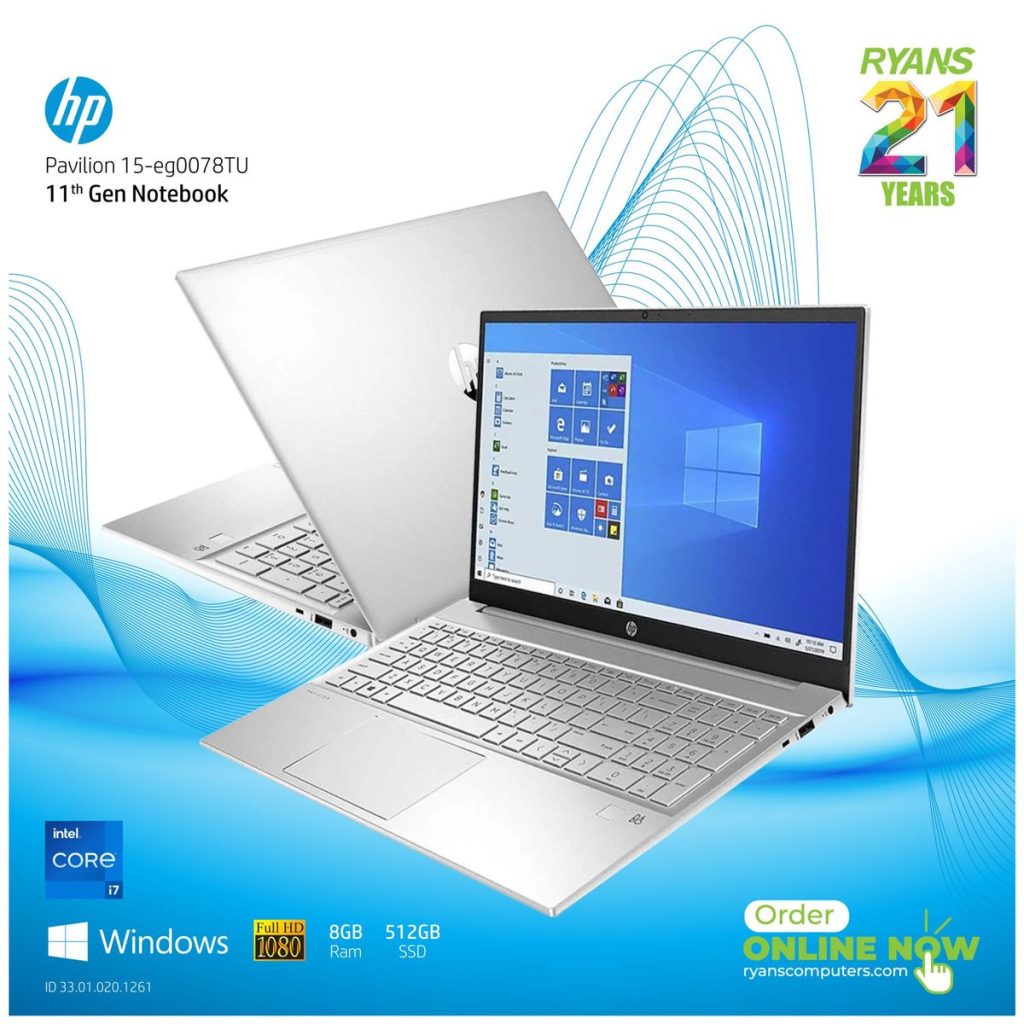
The Birth of the HP Pavilion Series
HP introduced the Pavilion lineup to serve mainstream consumers.
Pavilion’s Purpose
The series focused on:
- Affordability
- Versatility
- Everyday performance
Market Impact
Pavilion laptops quickly became popular among students, families, and home users.
Today, Pavilion remains one of HP’s best-selling laptop families.
HP Envy and the Rise of Premium Consumer Laptops
Consumer expectations continued to evolve.
What Users Wanted
Many buyers sought:
- Better performance
- Premium design
- Enhanced displays
HP’s Response
The Envy lineup was created to bridge the gap between mainstream and premium laptops.
Envy devices continue to offer high-end features at competitive prices.
HP Spectre and Luxury Computing
The Spectre series represented another major milestone.
Key Innovations
Spectre laptops introduced:
- Ultra-premium materials
- Exceptional portability
- Advanced engineering
Why Spectre Matters
The series demonstrated HP’s ability to compete directly in the premium ultrabook market.
Spectre laptops remain among the most visually striking and technologically advanced devices in HP’s portfolio.
Security Becomes a Priority
As cyber threats increased, laptop security became essential.
HP Security Innovations
The company introduced technologies such as:
- Fingerprint authentication
- Facial recognition
- BIOS protection
- Enterprise security solutions
Benefits
Users gained stronger protection for personal and professional information.
Security remains a major focus of HP laptop development today.
The Shift Toward Remote Work
Global workplace changes accelerated demand for mobile productivity.
New Requirements
Users needed:
- Reliable webcams
- Quality microphones
- Strong connectivity
- Long battery life
HP’s Adaptation
HP enhanced its laptops to support remote and hybrid work environments.
These improvements continue to benefit professionals worldwide.
The Emergence of Gaming Laptops
Gaming became one of the fastest-growing segments of the computer industry.
HP Gaming Innovations
The company introduced:
- HP OMEN
- HP Victus
Benefits
Gamers gained access to:
- High-performance hardware
- Advanced cooling systems
- Gaming-focused displays
These product lines strengthened HP’s position in the gaming market.
Artificial Intelligence and Smart Computing
Artificial intelligence is now shaping the future of laptops.
AI Applications
Modern HP laptops increasingly leverage AI for:
- Performance optimization
- Security enhancements
- Meeting improvements
- Workflow automation
Benefits
AI technologies help users work more efficiently and effectively.
Enhanced Collaboration Features
Virtual communication has become a standard part of daily life.
HP Collaboration Tools
Many modern laptops feature:
- AI-powered cameras
- Noise reduction
- Enhanced audio systems
Benefits
Users enjoy improved experiences during video conferences and online meetings.
Sustainability and Environmental Innovation
Technology companies face growing pressure to reduce environmental impact.
HP Sustainability Initiatives
HP invests in:
- Recycled materials
- Energy-efficient manufacturing
- Carbon reduction strategies
Benefits
These efforts support a more sustainable future for technology.
Cloud Computing Integration
Cloud technology has transformed how people use laptops.
Benefits of Cloud-Based Work
Users can:
- Access files anywhere
- Collaborate remotely
- Synchronize data across devices
HP’s Role
HP laptops are optimized to support cloud-based workflows and productivity tools.
The Future of HP Laptop Technology
Looking ahead, HP continues investing in innovation.
Emerging Areas of Development
Future HP laptops are expected to feature:
- Advanced AI capabilities
- Smarter power management
- Enhanced security systems
- Improved sustainability
- More immersive displays
These technologies will further transform mobile computing.
Why HP Remains a Global Leader
HP’s long-term success can be attributed to its commitment to:
- Innovation
- Reliability
- User-focused design
- Performance
- Security
These values have helped HP remain one of the world’s most respected laptop manufacturers.
Lessons from HP’s Technological Journey
The evolution of HP laptop technology demonstrates how continuous innovation can meet changing consumer needs.
Key Takeaways
HP has successfully adapted to:
- Market shifts
- Technological advancements
- Workplace transformation
- Consumer expectations
This adaptability has been central to the company’s enduring success.
Conclusion
The evolution of HP laptop technology through the years is a story of innovation, adaptation, and continuous improvement. From early portable computers to today’s AI-powered ultrabooks and business machines, HP has consistently embraced new technologies to enhance performance, mobility, security, and user experience.
Through iconic product lines such as Pavilion, Envy, Spectre, EliteBook, ProBook, Victus, and OMEN, HP has served the needs of students, professionals, businesses, creators, and gamers around the world. As emerging technologies such as artificial intelligence, cloud computing, and advanced security continue to reshape the computing landscape, HP remains well-positioned to lead the next generation of laptop innovation and help define the future of mobile computing for years to come.
